|
|
||||
|
A BRANCH OF MAILBUGGY GENERAL STORE |
|
|
|
|
LAMPWORKING MEETS METALWORKING
|
|
|
|||||
|
|
Unbelievable reactions with most of our Opaque glass. We haven't had a chance to try them all, or the Semi-Opaques and Transparents, but every Opaque we've tried went BONKERS!!! The more you heat the glass with the frit, the more colors and reactions will emerge. (about 8 grams per teaspoon) One gram will do a lot of beads or stringers. |
||||
|
|
|||||
|
|
|
||||
|
|
|
|
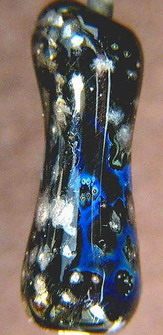
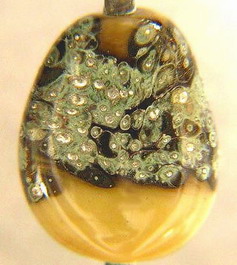
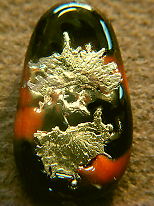
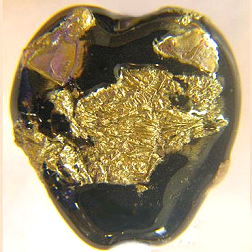
This is silver frit on Devardi Opaque Hi Density Black. No other glass color added. The silver turned the glass blue in some areas. |
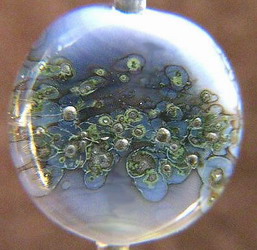
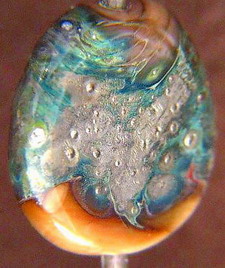
This is silver frit on Devardi Opaque Lilac with w/ Iris Orange Reduction frit (sold here). The silver turned the glass blue greenish in between the frit. |
|
|
|
|
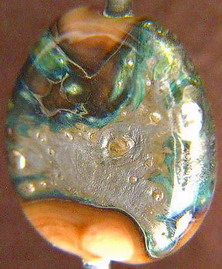
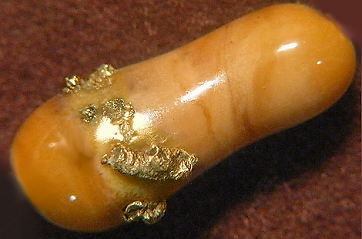
This is silver frit on Devardi Opaque Butterscotch. No other glass color added. I didn't melt the frit much into the glass, so the reaction is minimal. But it still went nuts. |
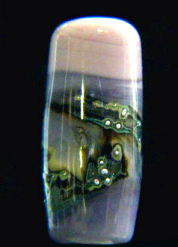
This is silver frit on Devardi Opaque Bluish Purple. No other glass color added. Minimal heat used. |
|
|
|
Pure Silver Frit With 10% Copper Frit Added. |
||||||
|
|
This frit has about
10% copper frit added to the pure silver frit. The copper adds more colors to
your glass. Just unbelievable affects. (about 8 grams per teaspoon)
One gram will do a lot of beads.
|
|||||
|
|
|
|||||
|
||||||
|
This is silver/copper frit on Devardi Opaque Salmon. No other glass color added. Considerable heat was used on the glass surface. |
You can see hints of copper in the silver area. The rainbow of colors of the silvered glass becomes darker with the copper added. |
|||||
|
More Sample Bead Pictures using Silver Frit and Devardi Glass >>> |
|
99.9% Pure Silver Wire |
|
|
|
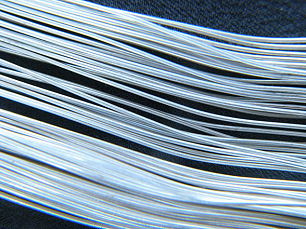
22 gauge (.65mm) 99.9% pure silver wire. So easy to work with. Melt tiny beads onto your work, or melt it into your glass to bring out a wide range of colors. The pure silver frit above is made from this silver wire. It's ground into tiny chips, so the affects will be the same. The least expensive way to buy lampworking pure silver. Approximately 15 inch piece. It weighs about 1.5 grams. $2.99 each |
|
|
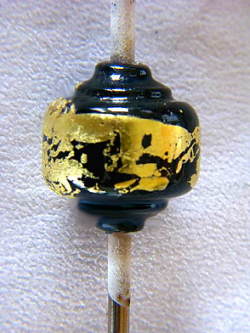
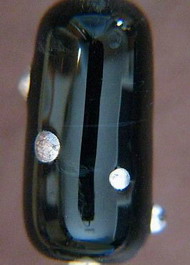
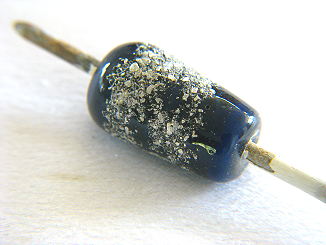
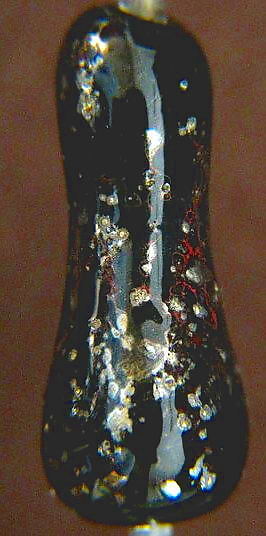
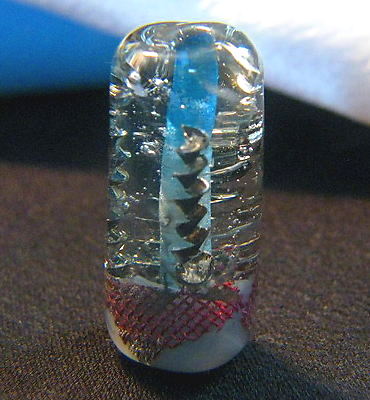
Left, this is a simple Hi Density Black bead with silver wire melted into tiny beads. There is no reaction because I didn't mix the silver into the glass. The torch heat was kept to a minimum. |
|
|
|
260 Yellow Brass |
|
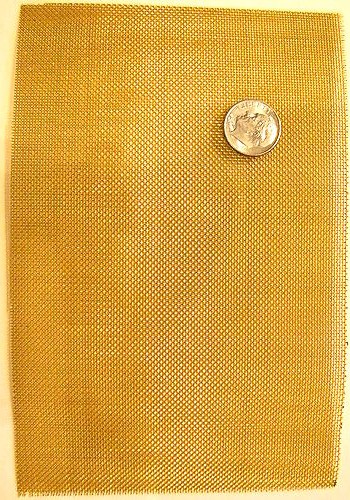
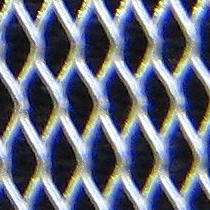
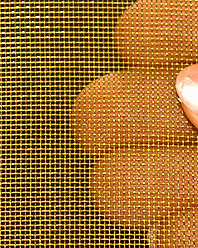
260 Yellow Brass Mesh Screen
|
Watch Brass Video - 1. In Brass Video - 1, we demonstrate the Brass Mesh Screen and the Brass Coated Copper wire. Watch Brass/Copper Video - 2 In Video - 2 we demonstrate the 260 Brass Wire, the 260 Brass sheet and the Copper sheet below.
|
|
|
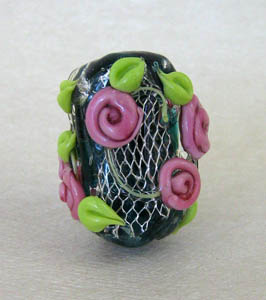
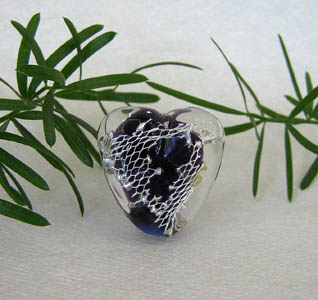
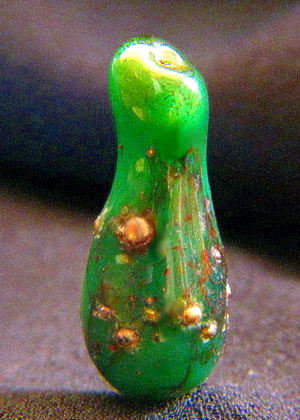
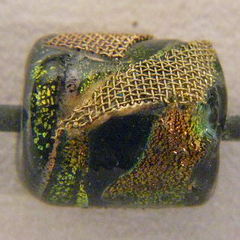
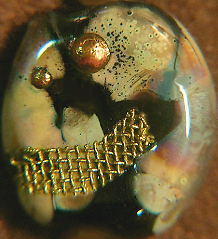
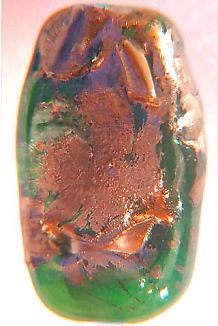
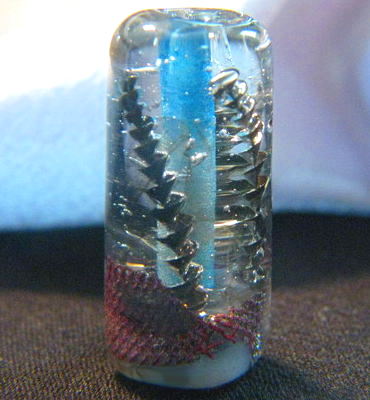
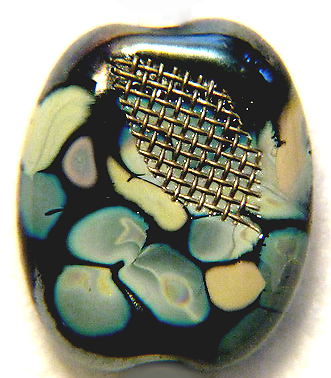
I finally had time to do some more playing. This bead I made with the Brass Mesh Screen above with the addition of Powdered Boric Acid that we are now including with your purchase. The screen was melted once applied. If you melt it, and use the Powdered Boric Acid, the brass screen turns into tiny beads. This is just a one color bead made with Devardi Semi-Opaque Jade. But some of the copper from the brass leached into the glass itself and turned red. What fun!!! |
|
Sample Beads |
|
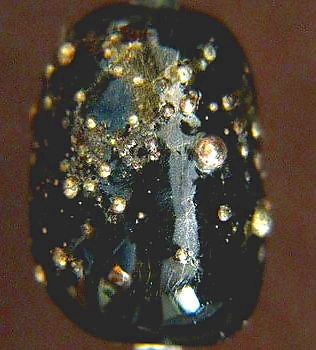
This bead below is the bead we demonstrate in Brass Video - 1 |
|
|
|
|
260 Yellow Brass Wire |
Watch Brass/Copper Video - 2 In Video - 2 we demonstrate the 260 Brass Wire, the 260 Brass sheet and the Copper sheet below. |
|
|
|
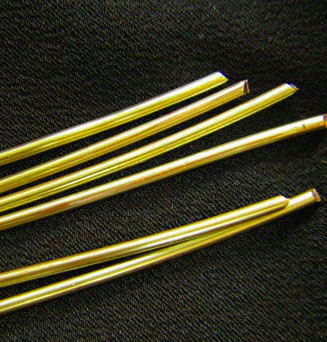
This 260 Yellow Brass Wire is the finest. purest brass wire available. The 260 Brass alloy is used with jewelry because it closely resembles the color of real gold. Comes with Powdered Boric Acid which allows the brass to flow easily without causing oxidation. Just heat the wire very little, roll it in the powder that you place on a marver or a metal surface to add a thin powdered coating, and melt the wire in the flame. If you don't use the Boric Acid Powder, the brass will not flow smoothly and causes a rough, organic surface. With just a slight amount of the powder the brass smoothes to a rounded surface. (See samples below). Melting point is 980 degrees Fahrenheit, much lower than COE 104 glass. ALWAYS USE ADEQUATE VENTILATION WHEN MELTING METALS AND POWDERED BORIC ACID. 2mm or .08 inches thick. 2 feet: $1.99 |
|
|
|
|
|
|
|
|
|
|
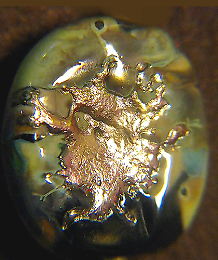
This bead above shows what the 260 Brass Wire looks like WITHOUT the use of Powdered Boric Acid. Very organic appearance. Looks like gold nuggets. That's Devardi SOP Caramel Glass. |
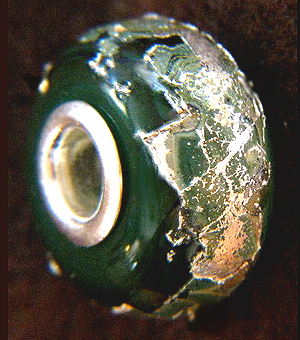
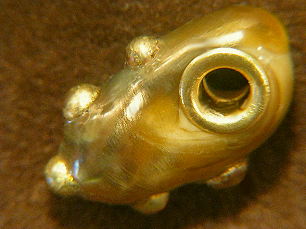
This bead above shows what the 260 Brass Wire looks like WITH the use of Powdered Boric Acid. You can see how nicely it flowed, and also how golden it is. That's a gold-plated Pandora insert. |
|
|
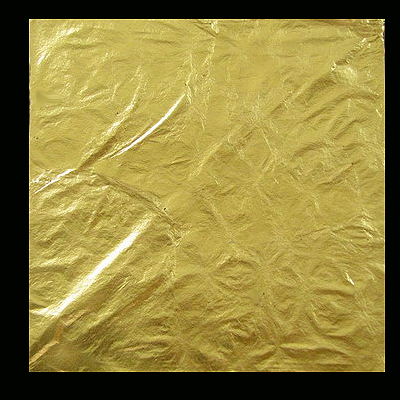
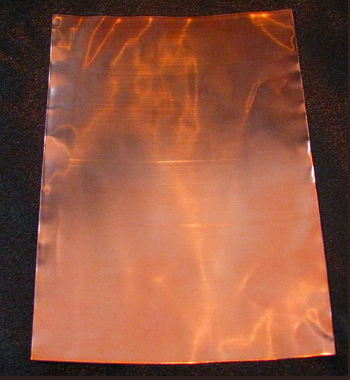
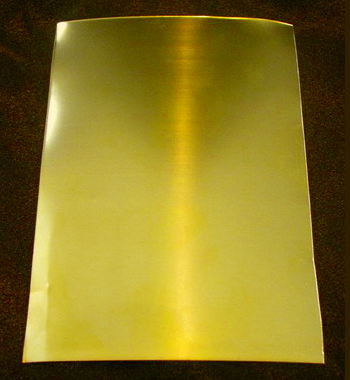
Pure 260 Brass 36 gauge sheet. .005 inches thick. You can cut this with a scissor, but thick enough that it will not bend when you hold it horizontally from one corner. Super nice for making organic beads like the one below. Or mix it with the powdered boric acid that comes with it that causes it to flow into shiny golden balls. The 260 Brass alloy is used with jewelry because it closely resembles the color of real gold. Melting point is 980 degrees Fahrenheit, much lower than COE 104 glass. ALWAYS USE ADEQUATE VENTILATION WHEN MELTING METALS AND POWDERED BORIC ACID. 4 inches x 6 inches. $3.99/each |
|
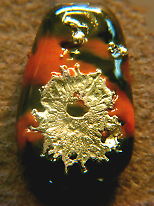
Watch Brass/Copper Video - 2 This sample bead to the right shows 260 Brass sheeting WITHOUT the use of powdered boric acid. |
|
|
Pure 260 Brass Frit |
||||
|
|
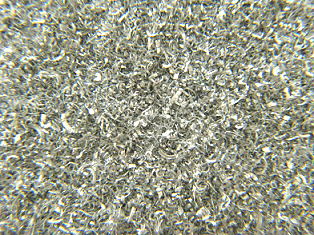
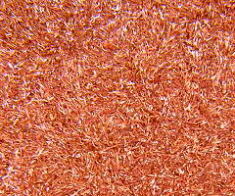
Like the Brass wire, sheet and screen, if you use the Powdered Boric Acid that comes with this frit, you'll get tiny balls that bead up on your glass. Without it, you'll get a rougher, more organic appearance. You can add the powder directly to the frit before using. |
|||
|
|
|
|||
|
This bead was made with Devardi Hi Density Black and Brass Frit mixed with a slight amount of Powdered Boric Acid (included). |
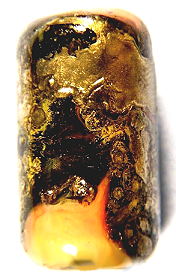
This bead was made with Devardi Hi Density Black and Brass Frit WITHOUT Powdered Boric Acid. Notice some red streaking from the leaching copper. |
|||
|
Pure Copper |
|
|
|
||||
|
|
|||||
|
|
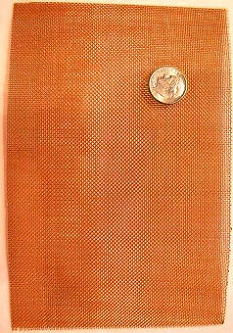
Pure Copper Screen. 30 mesh (30 squares per inch). Super nice for making organic beads. Looks golden when you finish polishing, but turns copper in 24-48 hours as it oxidizes in the air. Melting point is 1980 degrees Fahrenheit. ALWAYS USE ADEQUATE VENTILATION WHEN MELTING METALS. 4 inches x 6 inches. $3.99/sheet |
|
|
|
||
|
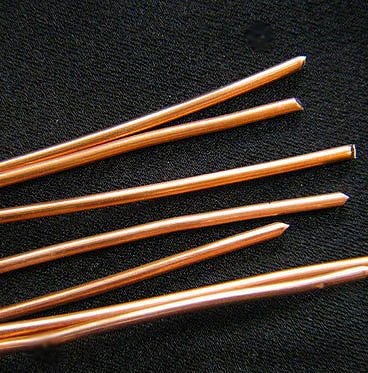
2mm or .08 inches thick, pure copper wire. Melting point is 1980 degrees Fahrenheit. 2 feet: $1.99 |
|
|
Pure Copper Frit |
||||||
|
|
Melts very smoothly without the need of Powdered Boric Acid. Cleans up with a toothbrush and backing soda. |
|||||
|
|
|
|||||
|
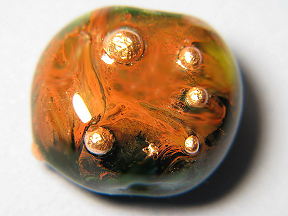
This bead I melted the copper frit onto the surface of the glass. This is on Devardi D11 glass which will be in stock soon. Real nice reaction between the glass and the frit. Use the enlarge button to see the greens exuded into the glass from the copper. |
This bead I just rolled the hot bead into the copper frit, leaving the frit unmelted. This frit plays nice. The frit has a golden hue to it, but turns darker in time with oxidation. |
|||||
|
Bronze Frit |
|
|
As you may know, bronze is an alloy of mostly copper and some tin. Other metals are sometimes used in bronze. This can be used with or without the Powdered Boric Acid that will come with it for different effects. |
|||
|
|
|
|
|
This is Bronze Frit WITHOUT the use of Powdered Boric Acid. The glass is Devardi Transparent Cobalt Blue. |
This is Bronze Frit WITH the use of Powdered Boric Acid. The glass is Devardi Transparent Cobalt Blue. |
|
|
Nickel Silver |
|
|
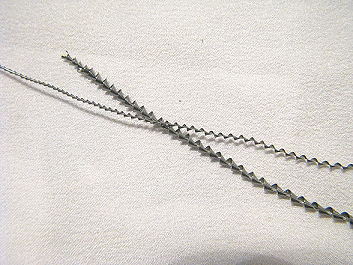
Nickel Silver 18 gauge Wire. Nickel Silver does not contain silver. It's an alloy of Nickel and Tin and takes on a darker silvery color. It works similar to the 260 brass except it has a higher melting point. With the use of Boric Acid Powder, if flows easily. Without it, you get a very organic rough surface to the metal. Comes with the Powdered Boric Acid. 3 feet of 18 gauge (.04 inches or 1 mm thick) wire is $1.99. |
|
|
Nickel Silver
26 gauge Sheet. This sheet is a bit thicker than
the brass and copper sheeting. You'll need a heavier pair of scissors to cut
it, or tin snips. We cut it on a levered paper cutter. Comes with the
Powdered Boric Acid. 1 inch x 6 inches. $3.99 sheet.
|
|
|
This is the Nickel Silver Wire on Devardi High Density Black. I polished the metal beads with a stainless steel rotary brush (sold below). I'll have more pictures as soon as I find time to take them. One note: Be careful when using the Powdered Boric Acid with the Nickel Silver. It likes to spit the Acid onto your bead if you overheat it. This causes pitting in the bead surface. To avoid this, use very little acid and thoroughly melt it before you bring the metal near your bead. It's an easy one, but just giving you a heads up. |
|
SOLID BALL BEARINGS |
|
|
3/32 Inch, Alloy 7, solid brass balls. 20 balls for $2.99 |
|
|
3/32 Inch, solid 404c stainless steel balls. Be sure to sink these no more than half way into the glass. Further can cause cracking. 20 balls for $2.99 |
|
Use either of these brushes below to clean your beads after applying any metals. |
|
Better than the brass brush. |
||
|
|
|
|
|
One high speed stainless steel brush. 1/8 inch shaft, 3/4 inch head. We've used these recently and believe they work better than the brass for cleaning brass and copper incorporated beads. They won't leave metal residue behind like the regular steel or brass brushes can. $2.49 each |
Use the center brass brush. Mix some baking soda with straight dish soap in a small bowl. Dip in the brush and scrub your bead clean. Three brush set. Nylon, Brass and Steel brushes. 7 inches. $2.99 set. |
|
|
|
|
|
|
One high speed brass brush. 1/8 inch shaft, 1 inch head. Use on lower speeds for better results. $1.99 each |